

Introduction: Why Brazilian Jiu-Jitsu Is Different

4
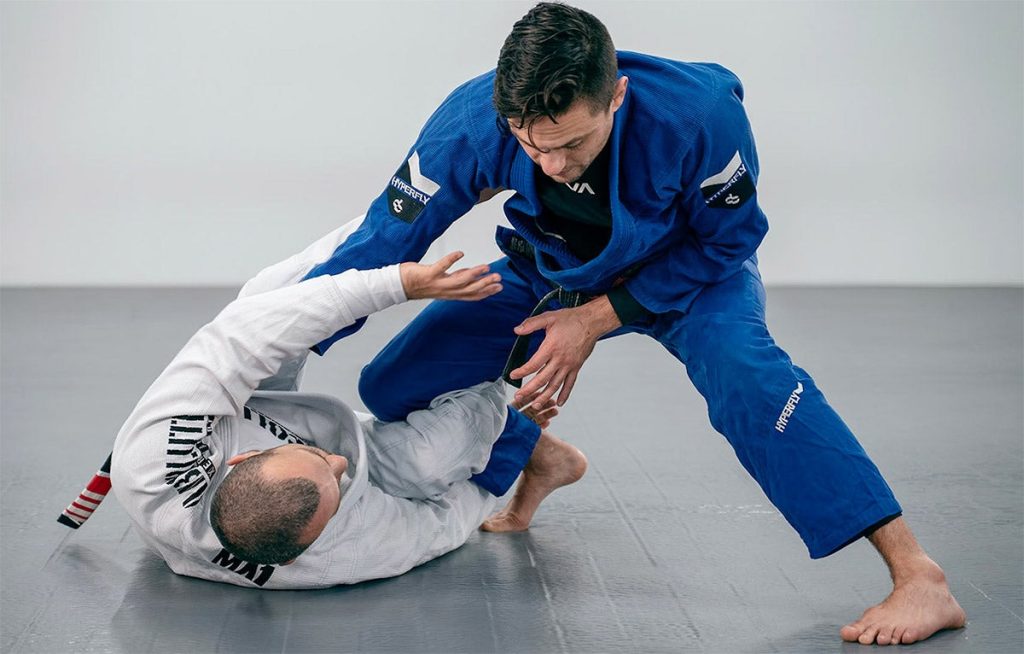
Brazilian Jiu-Jitsu (BJJ) is more than just a martial art—it’s a system built on leverage, timing, and intelligence. Unlike striking-based disciplines that often favor speed and power, BJJ emphasizes technique and strategy, allowing smaller practitioners to effectively defend against and defeat larger opponents.
This principle—strategy over strength—is what makes BJJ one of the most practical and widely respected martial arts in the world.
What Is Brazilian Jiu-Jitsu?
Brazilian Jiu-Jitsu is a grappling-based martial art that focuses on controlling an opponent, improving position, and ultimately applying submissions such as joint locks or chokeholds.
It evolved from traditional Japanese jiu-jitsu and was refined in Brazil, becoming globally popular through mixed martial arts (MMA) and self-defense communities.
Key elements of BJJ include:
- Ground fighting (ne-waza)
- Positional control (mount, guard, side control)
- Submissions (armbars, triangles, rear-naked chokes)
- Escapes and reversals
Strategy Over Strength: The Core Philosophy

4
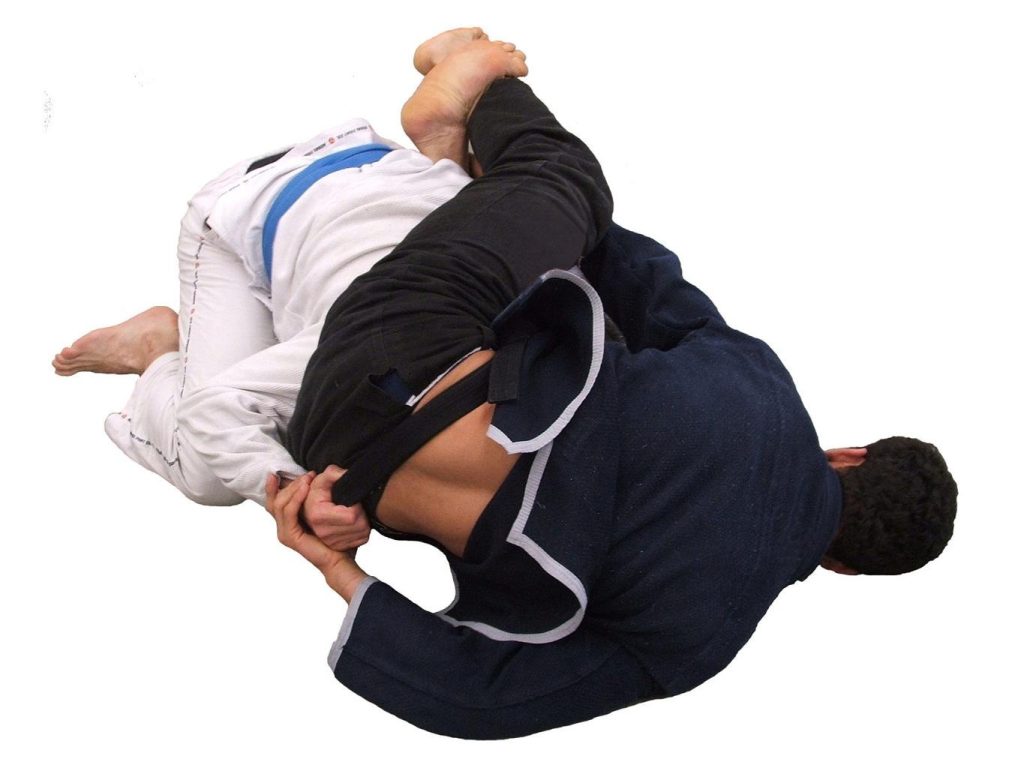
The defining philosophy of Brazilian Jiu-Jitsu is that technique can overcome brute force. This is achieved through several strategic principles:
1. Leverage Beats Power
BJJ practitioners use angles, body positioning, and leverage to neutralize strength. For example, using the hips and legs (your strongest muscles) against an opponent’s arms can create a decisive advantage.
2. Timing Is Everything
A well-timed sweep or submission requires less energy than forcing a move. Patience and precision often win over aggression.
3. Efficiency of Movement
BJJ teaches you to conserve energy, avoid unnecessary effort, and execute movements with purpose—making it ideal for real-world self-defense situations.
4. Problem-Solving Mindset
Every roll (sparring session) is like a chess match. You must anticipate your opponent’s moves and adapt quickly.
Key Techniques That Showcase Strategy
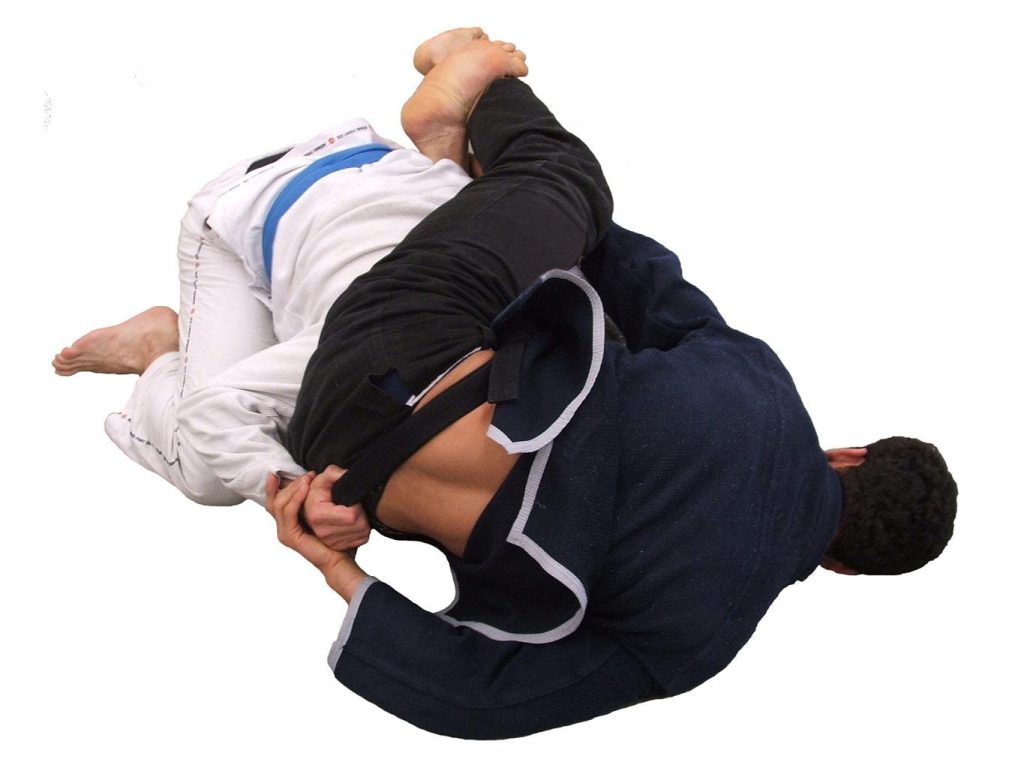
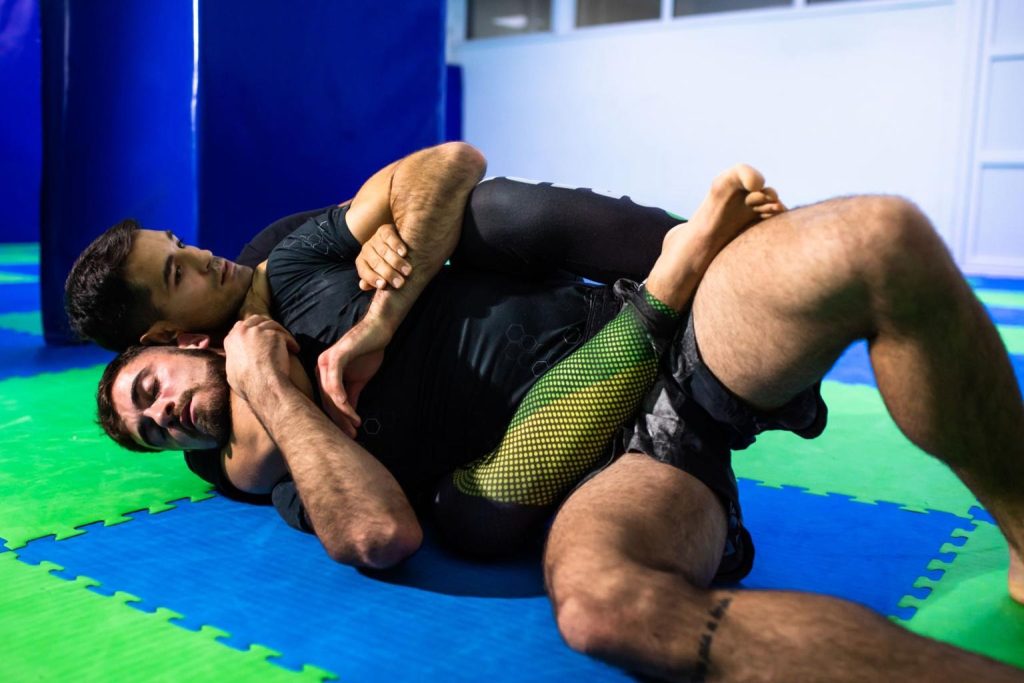

Brazilian Jiu-Jitsu techniques are designed to maximize control while minimizing effort. Here are a few that highlight strategy over strength:
Armbar
A joint lock that isolates the opponent’s arm and applies pressure to the elbow—effective regardless of size differences.
Triangle Choke
Uses the legs to trap the opponent’s neck and arm, cutting off blood flow to the brain.
Rear-Naked Choke
A highly effective submission that relies on positioning rather than force.
Sweeps
Techniques used to reverse positions, allowing a defensive practitioner to gain the upper hand.
Benefits of Training Brazilian Jiu-Jitsu



4
Training in Brazilian Jiu-Jitsu offers a wide range of physical and mental benefits:
Physical Fitness
- Improves strength, flexibility, and endurance
- Full-body workout with functional movements
Self-Defense Skills
- Teaches real-world techniques to control and neutralize threats
- Focuses on scenarios where fights go to the ground
Mental Toughness
- Builds resilience and discipline
- Enhances focus and problem-solving skills
Community and Culture
- Strong sense of camaraderie
- Supportive learning environment for all skill levels
Why BJJ Is Ideal for All Ages and Sizes
One of the most appealing aspects of Brazilian Jiu-Jitsu is its inclusivity. Because it prioritizes technique over strength, it is suitable for:
- Men and women of all fitness levels
- Children learning discipline and confidence
- Older adults seeking a low-impact martial art
- Beginners with no prior experience
In BJJ, progress is measured by skill development, not physical dominance.
Tips for Beginners
If you’re considering starting Brazilian Jiu-Jitsu, here are a few helpful tips:
- Focus on fundamentals before advanced techniques
- Be patient—progress takes time
- Tap early and often to avoid injury
- Train consistently rather than intensely
- Learn from everyone, regardless of belt rank
Conclusion: Mastering the Gentle Art
Brazilian Jiu-Jitsu is often called “the gentle art,” but its effectiveness is undeniable. By prioritizing strategy over strength, it empowers practitioners to overcome physical disadvantages and develop a deeper understanding of movement, control, and timing.
Whether your goal is self-defense, fitness, or competition, BJJ offers a lifelong journey of growth—both on and off the mat.